Production / 13 September 2026
A useful creative brief turns a beautiful location into a film with a point of view. Here is how we approach the conversation.
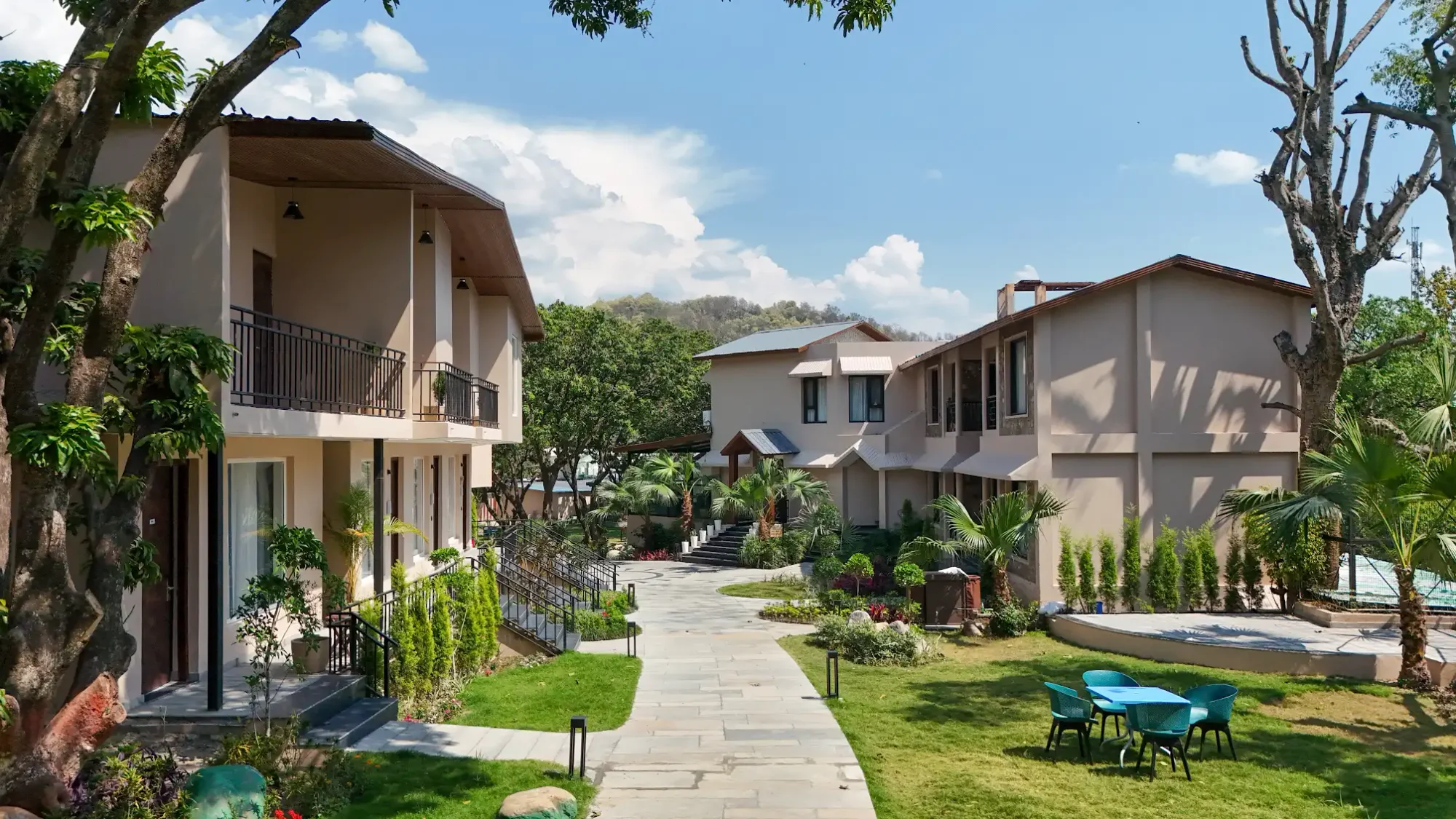
A property already has a story. The challenge is deciding where to place the camera, what to leave outside the frame, and how a stranger should feel when the film ends.
Our preferred starting point is a conversation about the guest. Not a demographic slide alone, but a person with a reason for travelling. Are they looking for time together, a different pace, an occasion worth marking, or a practical place to gather? A clear answer gives the production something more useful than a list of facilities.
Choose one central feeling
A film can show many parts of a property without making each one compete for attention. We ask the team to finish a sentence: “When someone watches this, we want them to feel…” The answer should describe an experience rather than a superlative.
A quiet retreat might call for longer observations and ambient sound. A property built around shared experiences might invite movement, conversation and a more social rhythm. Neither treatment is inherently more luxurious. The choice should belong to the place.
Walk the property with the light
A location visit is a creative exercise as well as a practical one. Notice where daylight falls, which rooms have a relationship with the landscape, and when common spaces feel most alive. A terrace that looks ordinary at noon may become the natural opening at dusk.
The resulting plan should include access, guest privacy, staff availability and time to reset a scene. Small operational decisions protect the quality of the images. They also make the shoot less disruptive to the people running the property.
Build a sequence, not an inventory
A room, a meal and a garden can be connected through a guest’s movement rather than presented as separate categories. Arrival leads to the room. The room opens to the view. The view gives way to an afternoon outside.
We look for details that support those transitions: a door opening, linen being arranged, a glass placed on a table. These moments create continuity without requiring every scene to be staged around a visible protagonist.
Agree the destinations before the shoot
The main film and social edits will often need different framing. Establish those needs while planning, especially when the same scene must work in landscape and portrait. Leave space for any agreed titles, and identify which shots need a clean version without text.
The handover should explain what each file is for, its format, and any usage restrictions. A beautifully finished film becomes more useful when the marketing team can find the correct version without opening every file.
Leave room for discovery
A treatment gives the team direction. It should also leave room for the unexpected: weather moving across a view, a member of staff describing a familiar ritual, or light landing somewhere the location visit could not predict.
That balance is where we prefer to work. A clear plan establishes the purpose; attention on the day finds the details that make the film feel specific.
Put the ideas to work
Related reading
The next chapter
Some places stay
with you. Let’s begin.
Hospitality & lifestyle. From Noida, Delhi NCR · Serving India.