Brand systems / 13 September 2026
A considered content library connects the hero campaign to the everyday needs of a hospitality team.
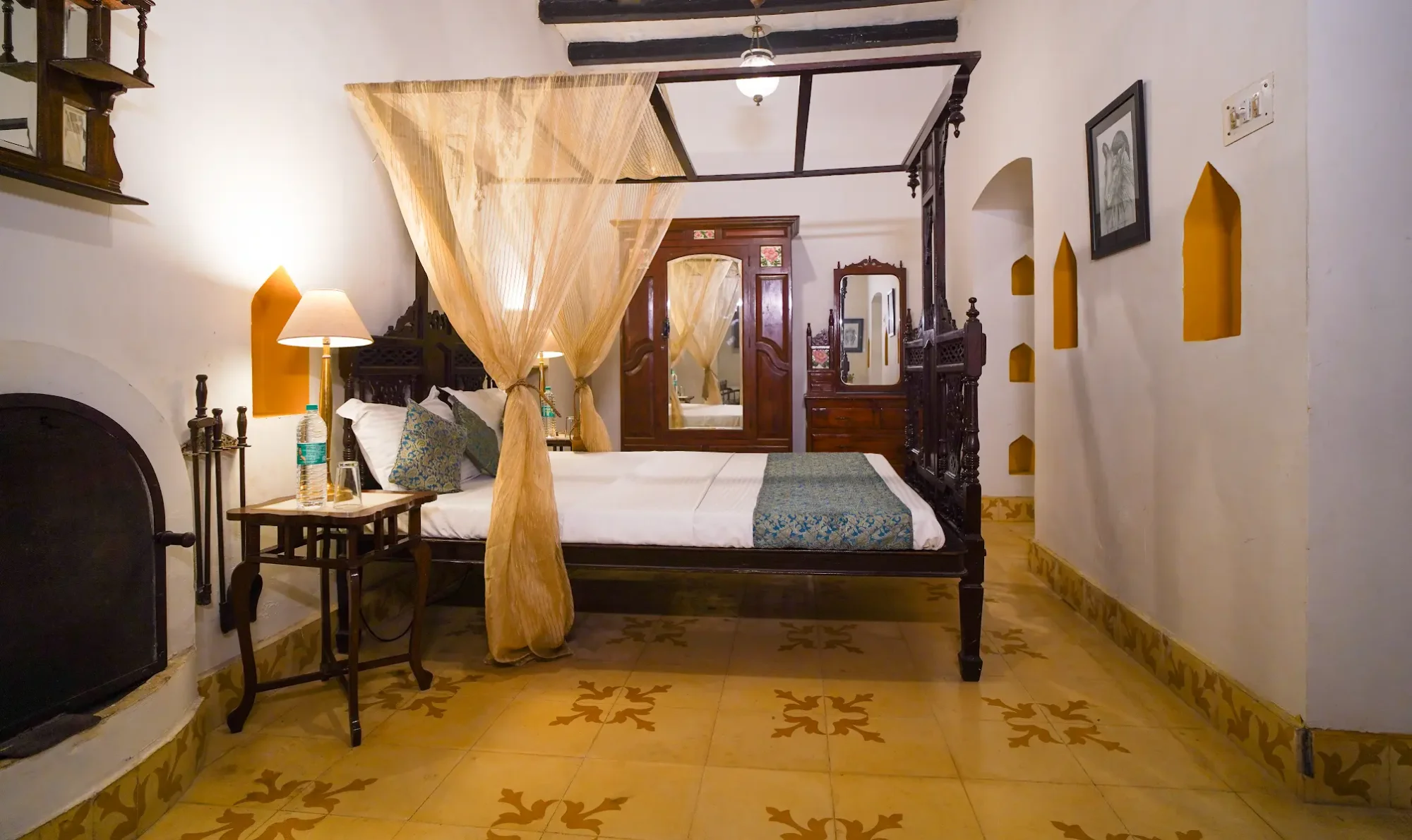
The most visible image is rarely the only image a property needs. Beyond the campaign cover are sales presentations, room listings, social posts, seasonal invitations and practical documents. A visual library should make those moments easier to handle.
We think of the library as a working part of the brand. Its value comes from a consistent point of view and a structure that helps people find what they need.
Start with real requests
Ask the people who use the content what they repeatedly struggle to find. A sales team may need a landscape image that leaves room for a headline. A social editor may need a portrait detail. A reservations team may need an accurate view of a room category.
Those uses belong in the brief. Otherwise, a shoot can produce a beautiful collection that still leaves the team relying on improvised images for everyday work.
Give each scene more than one role
A wide photograph explains the space. A closer frame can reveal its materials, light or human use. Both may come from the same setting, but they answer different questions.
Consider a dining room. The architecture shows the setting; a laid table suggests the experience; a chef’s hands introduce the care behind it. Together, the photographs give an editor options without breaking the visual language.
This does not mean collecting endless near-duplicates. We prefer distinct frames with an obvious reason to exist.
Keep the visual rules practical
A useful guide can describe light, colour, framing and the treatment of people in plain language. Include examples that make those choices tangible. Explain what a crop should preserve and which details are central to the image.
The guide should help a colleague make an everyday decision. If it only describes the brand in abstract terms, it may be admired once and then ignored.
Make finding a file uneventful
Use a folder structure that reflects how the team asks for content. Property, space, experience and format are often more helpful than a camera’s original file numbering alone.
Keep the original files separate from delivery exports. Label versions clearly, record usage permissions, and retain enough source information to trace an image back to its shoot. If a photograph needs a credit or has an agreed usage period, store that information beside the asset.
Review the library when the property changes
A renovated room, a new menu or a changed guest experience can make an old photograph misleading. Include the content library in those operational conversations. Mark retired assets so they do not quietly return in a presentation months later.
The aim is a collection the team can trust. Good organisation preserves the creative work and makes it part of the way the brand operates.
Put the ideas to work
Related reading
The next chapter
Some places stay
with you. Let’s begin.
Hospitality & lifestyle. From Noida, Delhi NCR · Serving India.