Creative direction / 13 September 2026
Why wide views, small details and human moments deserve different amounts of space in a hospitality story.
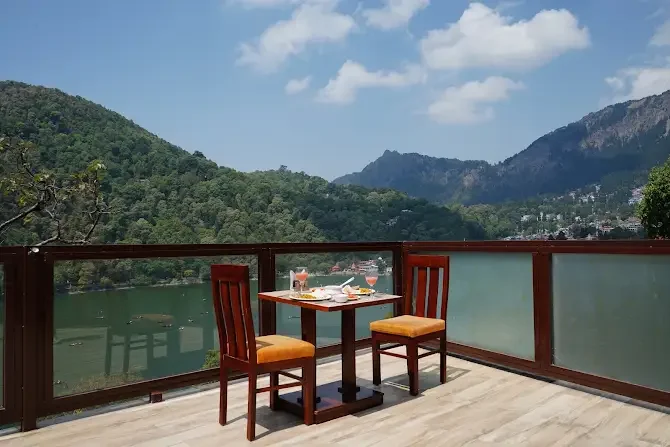
A wide view can introduce a place in an instant. It cannot tell the whole story. The feeling of a stay often lives in smaller observations: a table waiting for breakfast, the texture of a room, a window held open to the landscape.
When we edit a hospitality collection, we think about the relationship between those scales. The sequence should invite someone closer without losing the sense of where they are.
Establish the world
An opening frame gives the viewer their bearings. It might show the building in its landscape or introduce a distinctive shared space. The strongest choice is not always the largest view. It is the image that makes the rest of the story feel coherent.
We ask what the photograph promises. If it promises stillness, the following sequence should give that feeling room. If it introduces a lively gathering place, the edit should let people and activity enter the story.
Move from space to experience
After the setting, look for the way someone might inhabit it. A terrace becomes more than architecture when it holds the suggestion of a morning. A dining room changes when a table is being prepared.
Human presence can be explicit or implied. The useful question is whether it makes the experience easier to imagine. It should not feel like an unrelated scene added simply because the collection needed a person.
Let details carry a purpose
A close-up earns its place when it says something specific. Material, food, a gesture or a repeated colour can connect neighbouring frames. Detail for its own sake may interrupt the sequence rather than enrich it.
This is also where restraint matters. Several similar images can weaken the one that communicates the idea most clearly. A smaller collection, edited with care, gives each photograph more attention.
Consider the page as an edit
The same thinking applies when images move from a folder onto a website. A full-width photograph can act as an opening statement. Paired images can establish a conversation between spaces. A portrait can slow the scroll and create a more intimate pause.
Film brings another rhythm. It deserves a considered entrance, a useful poster frame and enough space for its original proportions. Sound should begin when the viewer chooses to play, rather than competing with the page around it.
End with a memory
The final frame need not be a second exterior. It might return to the landscape in different light or leave the viewer with a small moment that makes the property feel personal.
The goal is continuity: a sequence that feels like one place, seen with attention. A visual story becomes distinctive through its choices, including the photographs it leaves out.
Put the ideas to work
Related reading
The next chapter
Some places stay
with you. Let’s begin.
Hospitality & lifestyle. From Noida, Delhi NCR · Serving India.